
Social Media & Influencer Marketing for Non-Retail Industries
Social media and influencer marketing might be associated with ecommerce and retail brands, but these powerful tactics readily apply across all industries.
Stay ahead of the curve
Learn more about the latest industry insights and seasonal trends that are shaping the affiliate channel and how this will impact your program.
Social media and influencer marketing might be associated with ecommerce and retail brands, but these powerful tactics readily apply across all industries.
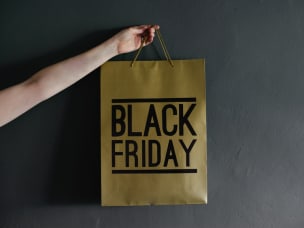
With Black Friday now established as the key trading day in the e-commerce calendar, how is this retail event impacting the affiliate channel?

With fashion one of the biggest affiliate success stories, what is the rise of the influencer teaching us about how to work with publishers in 2017?

As affiliate programs capture more and more data, what are the metrics that advertisers and networks using to determine how to set commissions?

With the dust settled on the busy Cyber Weekend period, what does the performance of thousands of affiliates tell us?

Awin casts its eye over the key trends it expects to shape the way advertisers run affiliate programs in 2017.

As a channel that has been premised on conversion, it has been the key unique selling point of the affiliate channel since its inception.

What will the affiliate landscape look like in 2017 and what are the key affiliate marketing trends that will shape Awin’s development this year?

Influencer marketing is a buzzword that has been growing over the past couple of years.

We discuss how advertisers can use Awin's deterministic cross-device transactions to facilitate paid for conversions via the affiliate channel.

Conversion is at the heart of affiliate marketing. The channel is perceived to offer a route to market that is low in risk and generates a great ROI.

For years the affiliate industry has been premised on relatively standardized insight, defined by the suite of reports hardcoded into a network’s interface.